Reinventing Yourself After Trauma: Counseling and Healing in Oak Lawn
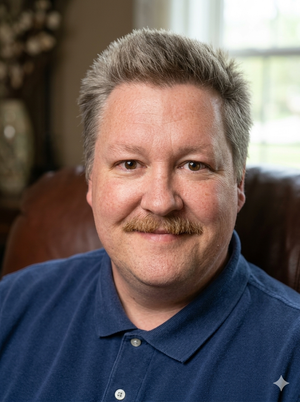
By Jennifer Pendleton
Trauma can make people feel as though their story has already been written. A painful experience may have happened recently or many years ago, yet its effects can still appear in relationships, sleep, confidence, mood, work, parenting, or the way a person responds to everyday stress.
Healing does not require becoming exactly who you were before the experience. It can mean understanding who you are now, rebuilding trust in yourself, and creating a life shaped more by your values than by what happened to you.
I’m Jennifer Pendleton, an Associate Counselor serving clients through Oak Lawn Counselors, Orland Park Counselors, and Illinois telehealth. My approach is warm, collaborative, trauma-informed, and centered on the individual. This article explains several ways trauma may affect identity and emotional health—and how counseling can help someone begin moving forward at a safe, respectful pace.
What can trauma look like after the danger has passed?
People can experience many reactions after a traumatic event. The National Institute of Mental Health notes that reactions may include anxiety, sadness, anger, difficulty concentrating, sleep problems, or repeatedly thinking about what happened. Many reactions lessen over time. When symptoms continue and interfere with daily life, additional support may be helpful.
Trauma responses do not look identical from person to person. Someone may feel constantly alert, while someone else feels emotionally numb. A person may avoid reminders, have difficulty trusting others, experience strong reactions that seem hard to explain, or feel disconnected from the person they used to be.
These reactions are not proof of weakness. They may reflect ways the mind and body learned to protect the person during or after overwhelming experiences.
PTSD and complex trauma are not the same experience for everyone
Post-traumatic stress disorder can involve intrusive memories, avoidance, changes in mood and thinking, and feeling unusually alert or reactive. Only a qualified professional can diagnose PTSD, and not everyone who experiences trauma develops it.
People also use the term complex trauma when describing the effects of repeated or prolonged traumatic experiences, often involving relationships, safety, or periods in which escape felt difficult. Someone dealing with complex trauma may struggle with shame, identity, emotional regulation, trust, boundaries, or relationships in addition to other trauma-related symptoms.
The label is less important than understanding what a person is experiencing and what kind of support fits their needs.
Trauma can affect identity and self-worth
Trauma can influence the questions people ask themselves:
Why did I react that way?
Why can’t I simply move on?
Can I trust my judgment?
Will I ever feel like myself again?
Am I more than what happened to me?
Counseling can create room to replace self-blame with understanding. The goal is not to erase the past or force a person to discuss details before they are ready. The goal is to help the person recognize patterns, strengthen coping skills, build safety, and reconnect with parts of themselves that may have felt lost.
Anxiety and depression may occur alongside trauma
Trauma does not always present as vivid memories of one event. Some people first seek counseling because of anxiety, low mood, sleep problems, irritability, panic, low motivation, difficulty concentrating, or feeling disconnected from others.
The National Institute of Mental Health notes that PTSD may occur alongside depression, anxiety disorders, or substance-use concerns. A thoughtful evaluation looks at the whole picture rather than assuming that every symptom has the same cause.
Counseling may help a person identify triggers, understand emotional and physical reactions, practice coping strategies, explore relationship patterns, and decide what goals feel most important.
Life transitions can reactivate old wounds
Divorce, marriage, pregnancy, becoming a parent, career change, financial stress, illness, grief, or conflict can stir up reactions connected to earlier experiences. A response that feels “too big” for the present moment may be carrying more than the present moment alone.
Recognizing that connection can be relieving. It gives the person an opportunity to respond with curiosity and care rather than shame.
Reinvention does not mean erasing your past
Reclaiming your voice
Trauma may teach people to stay quiet, minimize their needs, or avoid conflict. Counseling can help clients practice identifying feelings, expressing needs, and setting boundaries.
Rebuilding confidence
Confidence can grow through repeated experiences of safety, self-compassion, problem-solving, and follow-through. Progress does not have to be dramatic to be meaningful.
Image: rebuilding-confidence-after-trauma-oak-lawn.jpg — Alt text: Adult walking outdoors in a calm park setting, illustrating rebuilding confidence and identity after trauma.
Learning to trust yourself again
Trauma can leave people second-guessing decisions or ignoring their instincts. Counseling can support a more balanced relationship with judgment, intuition, and choice.
Developing an identity larger than a diagnosis
A diagnosis can describe part of a person’s experience, but it does not define the whole person. People also carry values, abilities, relationships, hopes, humor, creativity, and resilience.
What does trauma-informed counseling involve?
Trauma-informed counseling emphasizes safety, collaboration, choice, and respect. It should not force someone to disclose painful details before they are ready. Depending on the person’s needs and the clinician’s training, counseling may focus on emotional regulation, coping skills, relationships, self-esteem, boundaries, patterns connected to earlier experiences, or carefully processing memories.
Image: trauma-informed-counseling-oak-lawn-illinois.jpg — Alt text: Client speaking with a counselor in a warm office during trauma-informed counseling in Oak Lawn, Illinois.
The right pace and approach differ for every client. A first appointment is an opportunity to discuss concerns, goals, preferences, and whether the counselor feels like a good fit.
Trauma counseling in Oak Lawn and across Illinois
Jennifer Pendleton is an Associate Counselor who offers a warm, individualized approach for people navigating trauma, anxiety, depression, life stress, identity concerns, and major transitions. She sees clients through Oak Lawn and Orland Park locations and offers Illinois telehealth appointments.
See current openings and schedule an appointment
Coverage and network participation vary by plan, clinician, and service. Verify benefits before the appointment.
This article is educational and is not a diagnosis or a substitute for individualized care. If you or someone you know is in immediate danger, call 911. For a mental-health crisis in the United States, call or text 988.
Sources
National Institute of Mental Health — Post-Traumatic Stress Disorder (PTSD)
Tedeschi, R. G., & Calhoun, L. G. (2004). Posttraumatic growth: Conceptual foundations and empirical evidence.